
What Is the Best Thermal Scope?
What Is a Thermal Scope and How Does It Work?
Thermal Imaging Technology Explained
If you’ve ever wondered how hunters spot animals in complete darkness, thick fog, or dense brush, the answer is simple: thermal imaging. A thermal scope doesn’t rely on visible light like traditional optics. Instead, it detects infrared radiation (heat) emitted by objects and living beings. Everything around you—animals, trees, even rocks—emits heat at different levels. A thermal scope captures those differences and converts them into a visible image.
Think of it like this: instead of seeing shapes, you’re seeing temperature differences painted as colors or shades. Warm objects appear bright, while cooler surroundings fade into darker tones. This makes thermal scopes incredibly powerful for night hunting, surveillance, and search-and-rescue operations.
Key Components of a Thermal Scope
At the heart of every thermal scope is a thermal sensor, often measured in resolution like 384×288 or 640×480. Higher resolution means sharper images and better target identification. Then there’s the lens, which determines how far you can detect heat signatures. Finally, the display and processing unit convert raw thermal data into a usable image.
These components work together like a team. If one is weak—say, a low-resolution sensor—you’ll struggle to identify targets clearly, even if your lens is excellent.
Why Choosing the Right Thermal Scope Matters
Hunting vs Tactical vs Surveillance Needs
Not all thermal scopes are built for the same purpose. A hunter tracking hogs at night has very different needs compared to someone using thermal optics for security or law enforcement. Hunters typically need long detection range and fast refresh rates, while tactical users prioritize durability and precision.
Choosing the wrong scope is like wearing running shoes to climb a mountain—it might work, but it won’t be efficient. Matching your scope to your use case ensures you get the best performance for your money.
Performance vs Budget Considerations
Thermal scopes aren’t cheap. Entry-level models can start around $1,000, while premium units can exceed $5,000 or more. The question is: how much performance do you really need?
If you’re a beginner, spending top dollar might not make sense. But if you’re serious about hunting or professional use, investing in higher-end optics can dramatically improve your success rate.
Key Features to Look for in the Best Thermal Scope
Resolution and Sensor Quality
Resolution is one of the most important factors. A 640×480 sensor provides much clearer detail compared to a 384×288 sensor, especially at longer distances. Higher resolution allows you to distinguish between animals, identify targets accurately, and avoid costly mistakes.
Detection Range
Detection range determines how far you can spot a heat signature. Some high-end scopes can detect targets beyond 2,000 meters, while budget models may struggle beyond 500–800 meters. Keep in mind that detection doesn’t always mean identification—you may see something far away, but not know what it is.
Refresh Rate
A refresh rate of 50Hz or higher ensures smooth image transitions, especially when tracking moving targets. Lower refresh rates can cause lag, making it harder to follow fast-moving animals.
Battery Life
Battery life is often overlooked, but it’s crucial. Many thermal scopes offer 5–10 hours of continuous use, while others include swappable battery systems for extended sessions.
Top Thermal Scope Brands in 2026
Pulsar
Pulsar remains one of the most trusted names in thermal optics. Known for innovation and reliability, their scopes often feature advanced image processing and long detection ranges.
AGM Global Vision
AGM Global Vision offers a strong balance between performance and affordability. Their scopes are popular among hunters looking for high-quality features without breaking the bank.
ATN
ATN is known for integrating smart features like video recording, ballistic calculators, and Wi-Fi connectivity into their scopes.
InfiRay Outdoor
InfiRay Outdoor focuses on high-performance sensors and cutting-edge technology, making them a favorite among professionals.
Best Thermal Scopes by Category
Best Overall Thermal Scope
The Pulsar Thermion 2 XG50 is widely considered one of the best all-around thermal scopes. It offers a high-resolution sensor, long detection range, and excellent image clarity, making it suitable for both beginners and experienced users.
Best Budget Thermal Scope
For those on a tighter budget, the AGM Rattler TS25-384 delivers solid performance at a more accessible price point. It may lack some premium features, but it gets the job done effectively.
Best Premium Thermal Scope
If money isn’t an issue, the InfiRay Outdoor RICO MK2 LRF stands out. With advanced sensors, built-in laser rangefinder, and superior image quality, it’s designed for serious professionals.
Best Thermal Scope for Beginners
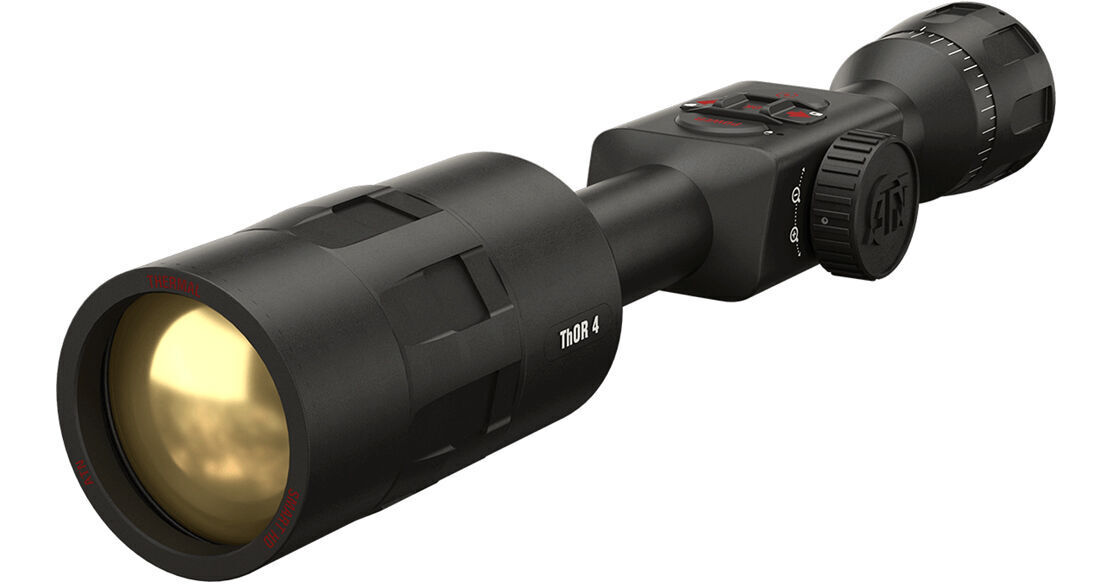
The ATN Thor 4 is a great entry-level option, offering user-friendly controls and smart features that make it easy to learn.
Comparison Table of Top Thermal Scopes
| Model | Resolution | Detection Range | Price Range | Best For |
|---|---|---|---|---|
| Pulsar Thermion 2 XG50 | 640×480 | ~1800m | $$$$ | Overall Performance |
| AGM Rattler TS25-384 | 384×288 | ~1000m | $$ | Budget Buyers |
| InfiRay RICO MK2 LRF | 640×512 | ~2000m | $$$$$ | Professionals |
| ATN Thor 4 | 384×288 | ~1000m | $$$ | Beginners |
How Much Should You Spend on a Thermal Scope?
The price of a thermal scope can feel overwhelming at first. But think of it like buying a car—you don’t need a luxury vehicle if you’re just commuting, but you also don’t want something unreliable.
For occasional use, a mid-range scope ($1,500–$3,000) is often enough. For serious hunters or professionals, investing in a premium model can provide better accuracy, longer detection range, and improved durability.
Common Mistakes When Buying a Thermal Scope
One of the biggest mistakes is focusing only on price. Cheap scopes often compromise on sensor quality, leading to poor image clarity. Another common error is ignoring your specific needs—buying a high-end scope doesn’t make sense if you’re only using it occasionally.
People also underestimate the importance of battery life and ergonomics. A powerful scope isn’t helpful if it dies halfway through your hunt or feels uncomfortable to use.
Expert Tips for Choosing the Best Thermal Scope
Choosing the best thermal scope is about balance. You want a model that offers strong performance without unnecessary features that drive up the cost.
Experts recommend prioritizing:
- High-resolution sensors
- Reliable brands
- Good warranty and customer support
It’s also wise to read real user reviews and, if possible, test the scope before buying.
Conclusion
Finding the best thermal scope isn’t about picking the most expensive model—it’s about choosing the one that fits your needs perfectly. Whether you’re a beginner exploring night hunting or a professional looking for top-tier performance, the right scope can make all the difference.
Thermal technology continues to evolve, offering better clarity, longer ranges, and smarter features than ever before. By understanding what matters most—resolution, range, and reliability—you can confidently invest in a scope that delivers real value.
FAQs
1. What is the best thermal scope for hunting?
The Pulsar Thermion 2 XG50 is widely regarded as one of the best for hunting due to its balance of performance and usability.
2. Are expensive thermal scopes worth it?
Yes, if you need better image clarity, longer detection range, and durability. For casual users, mid-range options may be sufficient.
3. What resolution is best for a thermal scope?
A 640×480 resolution is ideal for clear imaging, especially at longer distances.
4. How far can a thermal scope see?
High-end scopes can detect heat signatures up to 2,000 meters or more, though identification range is shorter.
5. Which brand makes the best thermal scopes?
Top brands include Pulsar, AGM Global Vision, ATN, and InfiRay Outdoor.
Hi, this is a comment.
To get started with moderating, editing, and deleting comments, please visit the Comments screen in the dashboard.
Commenter avatars come from Gravatar.